
October 2026 | Oncology News
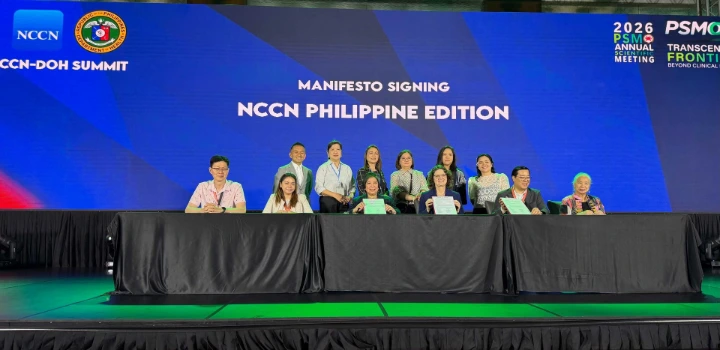
The National Comprehensive Cancer Network (NCCN) is collaborating with leading Philippine medical organizations and international cancer experts to develop cancer treatment guidelines adapted to the needs and clinical realities of the Philippines. The initiative aims to support evidence-based oncology practice, improve access to appropriate cancer care, and promote more consistent treatment recommendations for Filipino patients.
The collaboration was highlighted during international cancer meetings in Montreal, Canada, from October 1–3, 2026, and the Philippine Society of Medical Oncology (PSMO) Annual Scientific Meeting in Manila from October 6–9, 2026.
Ten Cancer Types Included in the Initiative
The planned Philippine adaptations of the NCCN Clinical Practice Guidelines in Oncology will be developed through collaboration with PSMO and the Society of Gynecological Oncologists of the Philippines (SGOP), with support from the International Gynecologic Cancer Society (IGCS).
The guidelines are expected to cover 10 cancer types:
In collaboration with PSMO:
B-cell lymphomas
Breast cancer
Colon cancer
Hepatocellular carcinoma
Lung cancer
Prostate cancer
Rectal cancer
In collaboration with SGOP and IGCS:
Cervical cancer
Ovarian cancer
Uterine cancer
By bringing together international clinical evidence and local specialist expertise, the initiative seeks to develop practical recommendations that reflect the Philippine healthcare environment, applicable regulations, and the needs of patients across different regions.
Supporting National Cancer Care Priorities
On October 6, PSMO, the Department of Health (DOH), and NCCN convened a high-level meeting to discuss the guideline adaptation process and approaches for incorporating locally tailored recommendations into national health policies and programs under the National Integrated Cancer Control Act (NICCA).
Discussions also drew on international implementation experience, including Poland's experience in developing and implementing NCCN Guidelines for its own healthcare setting.
The collaboration underscores the importance of combining established evidence-based clinical guidance with the knowledge and experience of local oncology professionals. This approach can help support more consistent decision-making and strengthen efforts to deliver quality, equitable cancer care within the Philippine healthcare system.
Expanding Access to Evidence-Based Oncology Guidance
NCCN has indicated that the adapted Philippine guidelines will be made available free of charge through its global initiatives website as they become available.
The organization currently has more than 90 international adaptations of its guidelines and more than 180 translations across multiple languages. Its collaboration with Philippine cancer organizations forms part of broader international efforts to make evidence-based oncology recommendations more relevant and accessible across different healthcare settings.
For Filipino oncologists and other cancer care professionals, the initiative represents an opportunity to combine international clinical guidance with local expertise in developing recommendations suited to the country's cancer care landscape.
Source and further reading:
This article is a paraphrased summary of the referenced reports. The original reporting and announcement are credited to their respective sources, including NCCN.